We accept
Medicare Advantage plans to fit your dental needs.
Medicare Advantage plans to fit your dental needs.

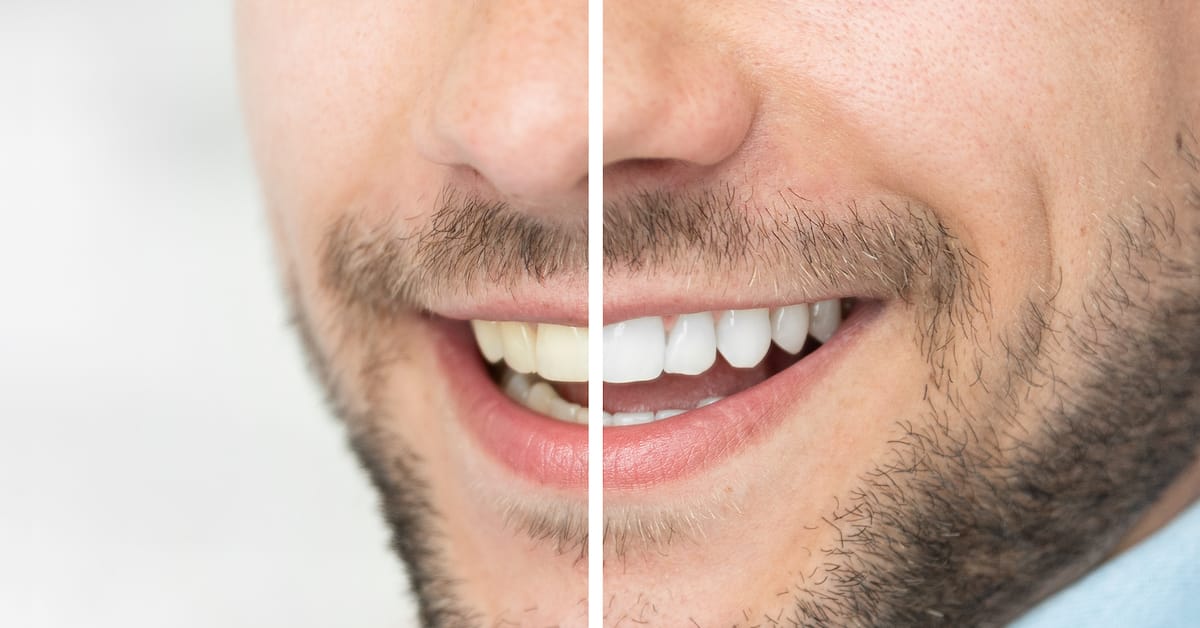
Are you tired of being embarrassed about a discolored tooth or a mouth full of yellowed teeth? If so, you can learn more about the causes and discover treatments that can help you smile with confidence once again.
The most common reason is age, since almost everyone's teeth yellow as they get older. The enamel wears down, exposing the yellow dentin underneath. Eating a healthy diet that is low in sugar and refined carbs will help keep enamel healthy.
There is intrinsic staining, which is discoloration deep inside the tooth. There are certain medications, such as exposure to tetracycline in utero, that discolor the insides of teeth. Illnesses, such as eating disorders, liver disease and celiac disease, can also cause intrinsic staining.
Extrinsic staining, which is staining of the outermost tooth layer, the enamel, is more common and more treatable. Tobacco use, poor dental hygiene, and staining foods are the most common reasons people seek treatment for stained teeth.
Don't sabotage your pearly whites with these staining foods and beverages. If you are going to eat them, consider brushing your teeth at least 60 minutes afterwards.
You don't have to completely avoid these foods and beverages. While drinking these foods, use a straw to avoid dark drinks touching your front teeth. Brush, rinse with water, or chew sugarless gum after consuming them to mitigate the damage.
These foods can help brighten your teeth:
Smoking and smokeless tobacco use can ruin an otherwise perfect smile. Consider quitting if you have not already, and remember, it’s not just your teeth at stake. Smoking can lead to numerous other problems.
Smoking can lead to multiple dental problems besides stained teeth. Smokers and smokeless tobacco users often have bad breath and a higher risk of developing oral cancer and gum disease. Tobacco users also take longer to heal after dental surgeries, such as extractions and implant placement.
Smokers have a more challenging time keeping their teeth bright, but these suggestions will help:
Most tobacco users try OTC whitening products first. Unfortunately, many of these products can only lighten teeth by one or two shades. For chronic smokers, this isn't enough to make a difference. A thorough dental cleaning and professional in-office teeth whitening treatment is the best way to get rid of yellow or brown tobacco stains. If a person continues to use tobacco afterward, the results will not last as long as if they would quit.
You can help fight teeth staining by:
Are you looking for something to brighten your smile, consider these over-the-counter and dentist administered options:
Whitening toothpastes - these are commonly used by many in the U.S. Look for a brand that has an ADA seal of approval. While these types of whitening products will not give you dramatic results, they can help you achieve somewhat whiter teeth.
Whitening gels and whitening strips - these are similar to toothpastes and can cause sensitivity if not used correctly. Keep in mind you’ll need to use them regularly to see any type of consistent result.
Whitening mouth rinses - normally these products provide the least amount of whitening as they remain on the teeth the least amount of time. If you are a smoker or have bad staining or discoloration, this is most likely not the right choice for you. OTC products in general can lighten teeth by one or two shades over time.
Dentist-provided tray whitening systems - when receiving trays from your dentist, keep in mind that the bleaching gel will be much stronger than an OTC brand. You will see much quicker and longer-lasting results than if you had simply purchased something from the pharmacy. Treatments offered by dentists can lighten teeth by eight to 10 shades.
In-office teeth whitening - by far the best and fastest option, these procedures are performed by dental professionals and you’ll be able to see instant results in most cases.
Bonding and Veneers - when teeth are unresponsive to other methods of whitening, a dentist can use bonding or veneers to cover the teeth and create a whiter, brighter smile. Bonding and veneers cover teeth that can't be whitened because they have stains deep inside the tooth. If you already have restorations, they won't lighten with any of these treatments.
If you're interested in teeth whitening, talk to your dentist. He or she can help you determine the cause of your staining and what treatment would be right for you. You don't have to live with stained teeth.