We accept
Medicare Advantage plans to fit your dental needs.
Medicare Advantage plans to fit your dental needs.

While tooth decay and cavities are well known dangers to your oral health, gum disease is another danger that you need to become educated on. The clinical name for gum disease is periodontal disease. This set of conditions negatively affects your gums and can lead to you losing your teeth. Gum disease can also cause a number of problems with your overall physical health. It’s important that you learn as much as possible about gum disease so that you can prevent it from occurring or causing irreversible damage to your health.
Many people believe that gum disease is an issue that primarily affects the elderly. However, nearly 75 percent of adults in the United States are estimated to have gum disease and only 15 percent of those adults are unaware that they have it. Experts also estimate that 60 percent of teens 15 and older have gum disease. It’s important to establish basic dental care routines to prevent periodontal disease from occurring. However, approximately 30 percent of people are genetically predisposed to the condition. Staying on top of basic dental health care is essential when it comes to preventing, treating and reversing the damage done by gum disease. Knowing exactly what the early signs of the condition are is the best way to keep your smile looking and feeling its best.
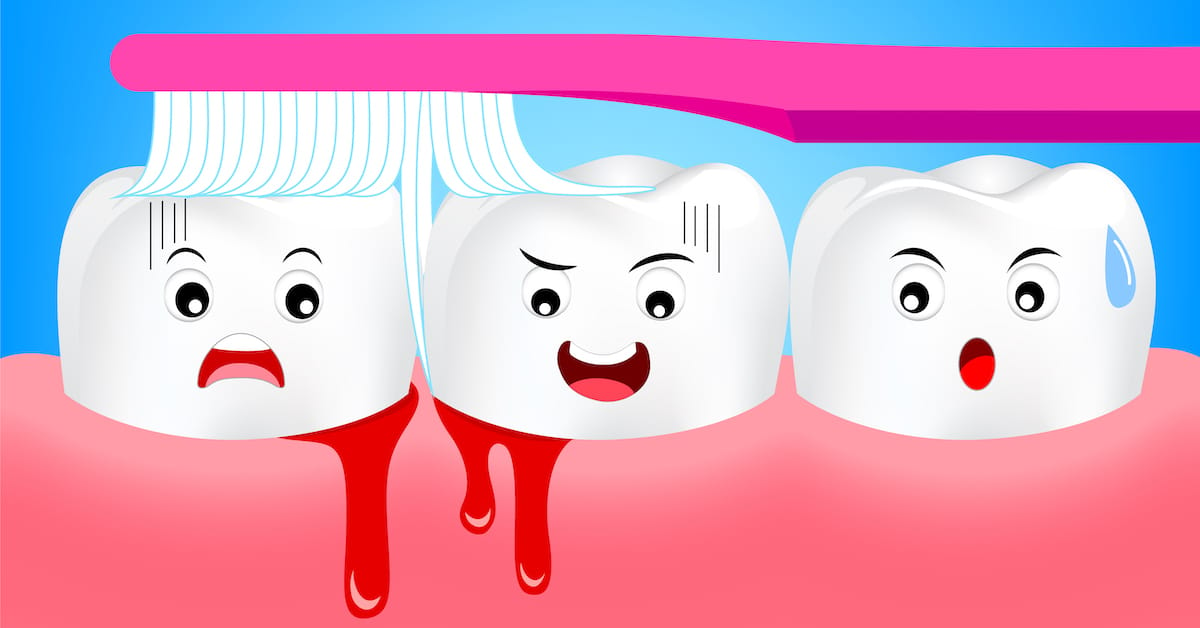
The earliest version of periodontal disease is called gingivitis. Gingivitis happens when the gums become inflamed due to bacteria building up within mouth tissue. People with gingivitis tend to have red, swollen gums that start to bleed during and after brushing the teeth. If left untreated, gingivitis will eventually progress into a more advanced form of periodontal disease that can cause tooth loss and other health problems.
While plaque and bacteria are the primary factors leading to gum disease, there are particular factors such as age, gender and lifestyle that can contribute to your risk of developing the condition. These factors include:
One of the reasons why gum disease can be so damaging is that most people don’t recognize the symptoms until the disease is rather advanced. The early symptoms of periodontal disease are:
Gingivitis is easily treated when it is in its earliest stages. However, if you ignore the problem it will eventually lead to periodontal disease. As periodontal disease advances it begins to cause the gums and teeth to pull apart, forming pockets that collect debris. These pockets then become infected. These infections can be painful, as well as damaging to your teeth and gums. The longer the problem is left unaddressed, the more time the buildup has to wear down your gum line and make your teeth unstable.
Plaque can also infiltrate the areas beneath the gum line, leading to irritation and inflammation that will degrade the quality of the tissue and bone underneath your teeth. This leads to the teeth and gums pulling apart even further. The supporting tissue and bone are then further destroyed. This is what causes loose teeth, which often need to be removed. You can also develop periodontitis as a byproduct of a disease like diabetes, respiratory disease or a heart problem.
Gum disease is no laughing matter. In order to best protect yourself from this disease, you need to see a dentist in Dalton on a regular basis. In addition to this, you need to be sure you are brushing and flossing your teeth routinely. If you want to keep your smile looking great for years to come, you need to take care of your teeth and gums properly.